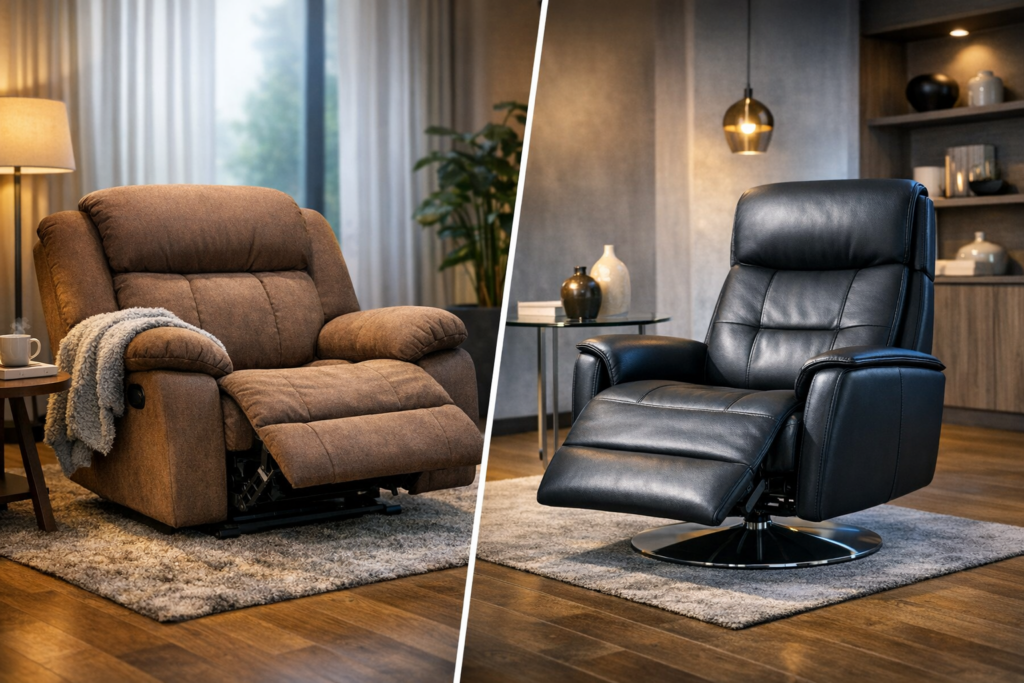
Recliner Chairs: Comfort vs. Style Explained
December 22, 2025Recliner chairs have a special way of turning “just sitting down” into a daily ritual. They can be the best seat in the house for movie nights, reading, naps, and even working from a laptop. But when you start shopping, one question comes up fast: should you prioritize comfort or style? The good news is you don’t have to sacrifice either—if you know what to look for.
This guide breaks down the real differences between comfort-first and style-first recliners, how to match a chair to your space and lifestyle, and the details that separate a “pretty chair” from a “keeper.” If you’re browsing LifeDeals for a recliner that fits your home and your habits, use this as your checklist.
Comfort vs. Style: What Actually Changes in a Recliner?
Comfort and style aren’t opposites, but they often pull design in different directions. Comfort-focused recliners typically invest in cushioning, support, and motion. Style-focused recliners invest in silhouette, proportions, and materials that coordinate with a room. The best choice depends on how you’ll use it and where it will live.
What “Comfort-First” Usually Means
A comfort-driven recliner is built for long sessions: binge-watching, chronic back support, or daily relaxation. These models often feature deeper seats, wider arms, plush headrests, and more forgiving padding.
Common comfort-forward traits:
- Thicker foam or layered cushioning for pressure relief
- Pronounced lumbar and head/neck support
- Generous seat depth and width (room to shift positions)
- Smoother recline angles and sturdier mechanisms
- Extras like massage, heat, or power headrests on some models
Best for: TV rooms, family rooms, dedicated reading corners, or anyone who uses a recliner daily for 60+ minutes.
What “Style-First” Usually Means
Style-led recliners aim to blend in with your décor rather than look like a traditional recliner. Many are designed to resemble accent chairs, with slimmer profiles and cleaner lines.
Common style-forward traits:
- Tailored upholstery, visible legs, and streamlined arms
- Smaller footprint (often apartment-friendly)
- More upright seat posture; less “sink-in” feel
- Curated fabrics and modern color options
- Swivel or push-back recline styles that hide the mechanics
Best for: living rooms where the recliner is a focal piece, open-plan spaces, apartments, and rooms where visual flow matters.
The Real Sweet Spot: Balanced Recliners
Many modern recliners land in the middle: supportive enough for long lounging, but styled enough to match a curated space. When you shop on LifeDeals, look for product photos showing the chair from multiple angles, especially side profiles. That’s where bulky recliners reveal themselves, and where well-designed recliners shine.
How to Choose the Right Recliner for Your Space
A recliner can look perfect online and still feel “wrong” at home if it doesn’t fit your room. Before you pick a fabric or features, match the chair type to your layout and your daily routine.
Measure the “Recline Zone,” Not Just the Chair
Most people measure width and forget what happens when the chair reclines. A recliner needs clearance behind and in front, depending on the mechanism.
Quick measuring checklist:
- Measure chair width, depth, and height for fit next to sofas, side tables, and walls
- Check required rear clearance (some need several inches; wall-hugger styles need less)
- Confirm footrest extension length so it won’t block walkways
- Account for doorways, hallways, and tight turns for delivery
If your room is compact, a wall-hugger or push-back recliner is often the smartest solution. They offer the recline experience with less “space penalty.”
Pick a Recline Type That Matches How You Relax
Not all recline mechanisms feel the same. Comfort is as much about motion as cushioning.
Common recliner types and how they compare:
- Manual lever recliners: dependable and often budget-friendly; you control the pace, but it can take more effort to close.
- Push-back recliners: sleek and minimal; ideal for style, but may offer fewer recline positions and less footrest support.
- Power recliners: smooth, precise adjustments; great for daily use or mobility concerns; needs access to an outlet.
- Wall-hugger recliners: designed for smaller rooms; reclines forward so the back doesn’t travel as far.
- Swivel or swivel-glider recliners: excellent for conversation areas or nurseries; adds movement without repositioning the chair.
If you’re deciding between comfort and style, mechanism is often the tie-breaker. A chair can be gorgeous, but if the recline motion is awkward, you’ll stop using it.
Consider Who Uses It Most
The “best” recliner for one person can be a terrible fit for another. Think about height, preferred sitting posture, and any support needs.
Fit tips that matter:
- Seat height: Feet should rest flat on the floor; too high causes leg pressure, too low strains knees.
- Seat depth: Deeper seats feel loungey; shallower seats help shorter users sit upright comfortably.
- Lumbar support: Essential if you sit for long stretches or want upright support when not reclined.
- Arm height: If arms are too low, shoulders hunch; too high, you’ll feel boxed in.
When browsing LifeDeals, look for dimensions and user-fit notes in the product details. Those specs can save you from a return.
Materials, Upholstery, and Color: Where Comfort and Style Meet
Upholstery is the bridge between how a recliner looks and how it feels. It affects temperature, maintenance, durability, and overall vibe.
Leather vs. Fabric vs. Performance Upholstery
Leather (or leather-look) tends to read as polished and timeless. It’s easy to wipe clean, but can feel cool in winter and warm in summer, depending on your climate and lighting.
Standard fabric offers warmth and a relaxed feel, often with more color and texture options. It can be cozy, but you’ll want to check cleaning codes and how it handles spills.
Performance fabrics are designed for real life: kids, pets, snacks, and frequent use. If you want a stylish recliner without the stress, this is often the most practical upgrade.
Practical pick: If your main goal is “looks great, holds up,” lean toward performance upholstery in a neutral tone. It’s the easiest way to balance comfort and style long-term.
Cushioning and Support: Don’t Shop by “Plush” Alone
Two recliners can look equally cushy and feel totally different. The difference is usually foam density and seat construction.
What to look for in descriptions:
- High-density foam: holds shape longer and supports better over time.
- Layered cushioning: combines support and softness (better than a single soft layer that compresses quickly).
- Spring support: helps prevent sagging and improves comfort consistency.
If you’re furnishing a primary lounge spot, prioritize structure and support over ultra-softness. A recliner that feels “cloud-like” for five minutes can feel unsupportive after an hour.
Color and Shape: Make the Recliner Look Intentional
Style isn’t just about choosing a trendy color. It’s about making the recliner look like it belongs.
Easy style strategies:
- Match undertones: Pair warm beige with warm woods; cool gray with black metal or cooler finishes.
- Repeat a color: Echo your rug, pillows, or art so the recliner feels integrated.
- Balance visual weight: A bulky recliner can be grounded with a substantial side table; a slim recliner pairs well with airy lighting and minimal décor.
If you want a recliner in a main living room, consider a tailored silhouette with tapered arms or visible legs. It reads more like a designer chair while still delivering comfort.
Feature Comparisons: What’s Worth Paying For?
Features can improve comfort dramatically—but only if they match your habits. Otherwise, they become expensive extras you never use.
Manual vs. Power: The Everyday Convenience Test
Manual recliners are straightforward and often lighter visually and financially. They’re great if you don’t recline constantly or if the chair will be moved around.
Power recliners shine if you want micro-adjustments. They’re especially useful for people who like to switch between upright, slightly reclined, and fully reclined positions throughout the day.
Choose power if: you recline daily, share the chair with different users, or want smoother adjustments without effort.
Adjustable Headrests and Lumbar Support
If you’ve ever reclined and felt your head tilt awkwardly forward, an adjustable headrest can be a game changer. Lumbar support matters if you sit upright often, not just reclined.
Best for: people who read, scroll, or work in a recliner and need neck and back alignment.
Massage and Heat: Comfort Upgrade or Gimmick?
Massage and heat features can be genuinely relaxing, particularly for sore backs or cold rooms. The key is setting expectations: most built-in massage systems provide vibration and gentle pressure rather than deep tissue intensity.
Worth it if: you use the chair for end-of-day recovery, you tend to get chilly, or you want a spa-like relaxation routine at home.
USB Ports and Storage
These features are underrated for daily use. A built-in USB port can keep cords off the floor, and side pockets help reduce clutter in smaller spaces.
Worth it if: the recliner will be your main “charging station” seat for phones, tablets, or e-readers.
Room-by-Room Recommendations
Where the recliner goes should influence every decision—from upholstery to mechanism.
Living Room (Shared, Visible, Style-Sensitive)
Prioritize a refined silhouette and upholstery that coordinates with the rest of the room. Look for a recliner that reads like an accent chair from the front, with a recline that doesn’t require excessive clearance.
Best picks: push-back recliners, wall-huggers with tailored arms, swivel recliners in structured fabric.
Family Room or Media Room (Comfort Wins)
This is where plushness earns its keep. Choose supportive cushioning, a smooth mechanism, and easy-clean materials.
Best picks: power recliners, high-back designs, performance fabrics, optional cupholders or storage depending on your setup.
Bedroom or Reading Nook (Quiet Comfort + Smaller Scale)
In a bedroom, you want comfort without a chair that dominates the space. A gentle recline and a cozy fabric can make it feel like a retreat.
Best picks: compact manual recliners, swivel-gliders, soft textured upholstery in calm neutrals.
Apartment or Small Space (Function Per Square Foot)
Choose a recliner designed for tight layouts. A chair that reclines well without drifting far from the wall will make your space feel bigger and more walkable.
Best picks: wall-hugger recliners, slimmer profiles, lighter colors that visually open the room.
FAQ
How do I choose a recliner that won’t look bulky?
Look for a slimmer side profile, visible legs, and tailored arms. Push-back recliners and modern wall-huggers often hide the “recliner look” while still offering comfort.
What’s the best upholstery if I have pets or kids?
Performance fabrics are typically the safest bet for durability and easier cleanup. If you prefer leather, choose a finish that’s designed to resist scratches and wipe clean easily.
Is a power recliner worth it if I only recline occasionally?
If you recline only now and then, manual is usually enough. Power becomes worth it when you recline daily, want precise positions, or need easier operation.
How much space do I need behind a recliner?
It depends on the mechanism. Traditional recliners may need more clearance, while wall-hugger designs require less. Always check the product’s clearance guidelines and measure your “recline zone” before buying.
Conclusion: You Can Have Comfort and Style
The comfort vs. style debate is really about priorities: how often you’ll use the recliner, what your room needs visually, and which details matter most to your body. Focus on fit, mechanism, and upholstery first, then choose a look that complements your space. That’s how you end up with a recliner that feels great today and still looks right years from now.
If you’re ready to narrow your options, explore the recliner selection on LifeDeals and filter by size, upholstery, and features that match your daily routine. A well-chosen recliner doesn’t just fill a corner—it upgrades how you relax at home, and LifeDeals makes it easy to compare styles and shop online with confidence.
Tip: When you find a few favorites on LifeDeals, compare their dimensions, recline type, and upholstery side by side. It’s the fastest way to spot the best balance of comfort and style for your space.