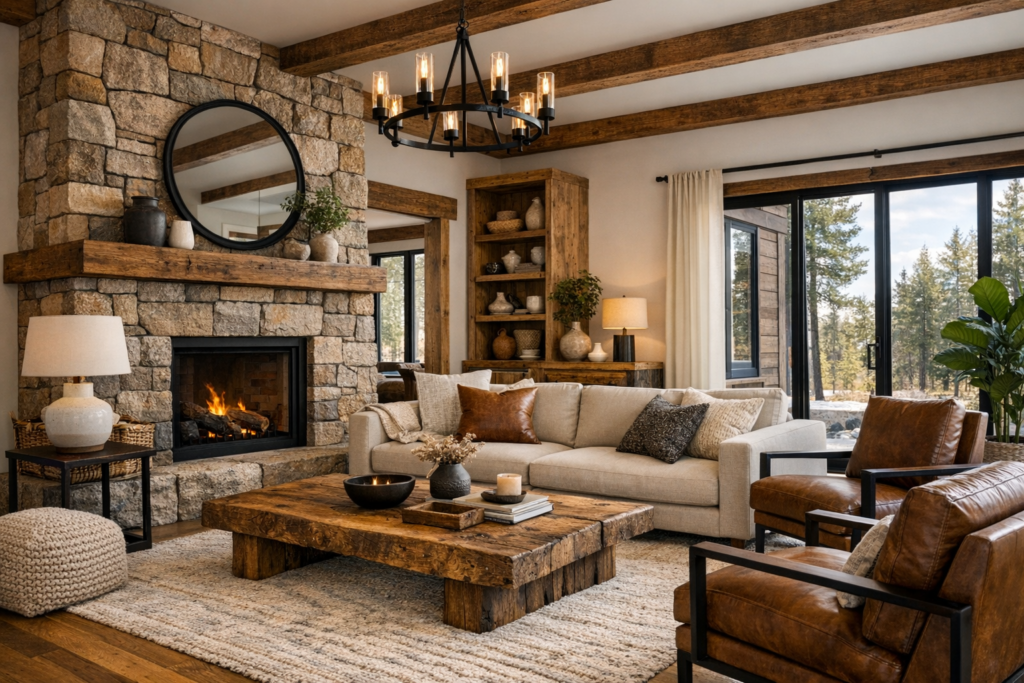
How to Create a Modern Rustic Living Room
January 12, 2026A modern rustic living room is the sweet spot between clean-lined contemporary design and the warmth of natural, timeworn materials. Done well, it feels calm and curated rather than theme-y or cluttered. Whether you’re furnishing a new space or updating what you already own, the key is balance: sleek shapes paired with organic textures, and a neutral base lifted by a few rugged accents.
Below is a practical, step-by-step guide to creating a modern rustic living room that looks intentional, functions for real life, and can be shopped gradually. You’ll also find comparisons to help you choose the right materials and finishes for your home.
1) Start with a Modern Rustic Foundation: Color, Materials, and Mood
The foundation determines whether your room reads “modern rustic” or swings too far into farmhouse or industrial. Aim for a palette that feels grounded and airy, then layer in materials that look better with age.
Choose a calm, versatile color palette
Modern rustic rooms typically rely on warm neutrals. Think creamy whites, soft greiges, warm taupes, camel, and muted charcoal. This keeps the space contemporary, while wood and texture provide the rustic character.
Practical approach: Choose one main wall color, one wood tone, and one metal finish. Then repeat them around the room. Repetition is what makes a mixed-material look feel cohesive.
Use a “high-low texture” formula
The easiest way to get the modern rustic mix is to combine:
- Smooth, modern surfaces (matte painted walls, streamlined sofa fabric, simple glass)
- Natural, rustic textures (wood grain, leather, stone, woven fibers, linen)
That contrast gives you the clean look of modern design without losing warmth.
Material comparison: what to choose and why
Here’s how common modern rustic materials stack up in a living room:
- Wood: reclaimed vs. new
Reclaimed wood offers instant character and visible history (knots, nail holes, variation). New wood feels cleaner and more uniform, which can skew more “modern.” If you want a subtle rustic touch, choose new wood with a matte finish and visible grain. If you want stronger rustic vibes, bring in one reclaimed-style statement piece like a coffee table or floating shelves. - Leather: aniline vs. protected
Aniline leather patinas beautifully and feels luxe, but it can stain more easily. Protected leather is easier to clean and better for kids/pets, though it may look slightly more “finished.” For most living rooms, protected leather in a warm cognac tone offers the best balance of rustic charm and practicality. - Metal finishes: black vs. brass
Matte black feels modern and architectural, perfect for lighting and hardware. Warm brass adds softness and pairs well with earthy palettes. If you’re using lots of warm wood, matte black creates a crisp outline that keeps the room from feeling too traditional. - Stone: real vs. faux
Real stone is timeless and textured. Faux stone has come a long way and can be budget-friendly for rentals or quick upgrades. If you can’t alter walls, consider a stone-like table surface or accessories that hint at the look.
If you’re building your room piece by piece, LifeDeals is a helpful place to compare finishes and styles online before you commit—especially when you want matching tones across furniture, lighting, and decor.
2) Choose Key Furniture That Balances Clean Lines and Warmth
Modern rustic living rooms don’t need lots of furniture. They need the right furniture—pieces with simple shapes, solid proportions, and materials that add warmth.
Sofa: keep the silhouette modern
Your sofa is usually the largest visual element, so let it do the “modern” work. Look for:
- Clean arms (track arms or gently rounded arms)
- Simple legs (wood or black metal)
- Durable upholstery (performance fabric, textured weave, or leather)
Comparison: slipcovered vs. tailored upholstery
Slipcovered sofas can lean coastal or farmhouse, but in a structured shape they can still feel modern rustic—especially in a warm white or oatmeal linen blend. Tailored upholstery (tight seams, crisp edges) reads more modern. If your room has a lot of rustic texture already (wood beams, brick), a tailored sofa keeps things balanced.
Coffee table: let this be your rustic anchor
A coffee table is a perfect place to introduce rustic character because it’s central and tactile. Consider:
- Chunky wood table with a matte finish for a grounded, cabin-meets-modern feel
- Wood top with black metal base for a more contemporary, loft-like rustic mix
- Stone or concrete-look top to add texture while staying minimal
Size tip: Aim for a coffee table that’s about two-thirds the length of your sofa, and keep 14–18 inches of space between table and seating for comfortable movement.
Side tables: mix, but keep the heights intentional
Modern rustic style allows mixing, but mismatched side tables can look accidental if proportions are off. Keep a consistent height range: ideally the tabletop sits within 2 inches of your sofa arm height.
Easy pairing ideas:
- One wood drum table + one slim black metal table
- One small stone-look pedestal table + one warm wood table
Storage: choose pieces that hide clutter
Rustic decor can involve lots of texture, so you don’t want visual clutter competing for attention. Use closed storage for the everyday stuff:
- Media console with doors to hide devices, games, and cables
- Basket storage for throws and kids’ items
- Ottoman with storage if you need flexible seating
If you’re shopping online, LifeDeals makes it easier to filter for functional features like hidden storage, durable finishes, and compact sizing—especially helpful for renters and smaller living rooms.
3) Layer Lighting, Textiles, and Decor for a Finished Look
Furniture sets the structure. Layering is what makes your living room feel complete and comfortable—without turning it into a decor showroom.
Lighting: mix warm ambience with modern shapes
Lighting is one of the fastest ways to modernize rustic elements. A rough-hewn wood table feels fresher under a clean-lined lamp or a simple black pendant.
A reliable lighting plan includes:
- Ambient lighting (overhead fixture or ceiling light)
- Task lighting (floor lamp by the sofa or reading chair)
- Accent lighting (table lamp, picture light, or plug-in sconce)
Bulb tip: Choose warm white bulbs around 2700K for a cozy rustic glow. If your walls are very warm-toned, 3000K can still look inviting while feeling slightly cleaner and more modern.
Rug: go large, grounded, and low-fuss
A rug anchors the seating area and adds softness, which is essential when you’re using wood, metal, and stone textures.
Comparison: jute vs. wool vs. performance rugs
- Jute brings instant rustic texture and looks great in modern spaces, but it can shed and isn’t ideal for spills.
- Wool is plush, durable, and naturally stain-resistant, but can be pricier.
- Performance rugs (often washable or stain-resistant) are excellent for families and pets and can still look elevated in a vintage-inspired pattern.
Size rule: In most living rooms, go bigger than you think. Aim for at least the front legs of all seating to sit on the rug. A too-small rug makes the room feel fragmented.
Textiles: keep patterns subtle, texture strong
Modern rustic style shines when textiles are tactile rather than overly patterned. Build your mix with:
- Throw pillows in linen, boucle, or wool blends
- A throw blanket in a chunky knit or soft brushed texture
- Curtains in linen-look fabric to soften the room and add height
Color tip: Keep pillows within your neutral palette, then add one deeper accent (like rust, olive, or charcoal) to give the room depth.
Wall decor: choose fewer, larger pieces
Modern style tends to favor restraint. Rustic style loves character. Combine both by choosing fewer wall pieces that have presence:
- A large landscape print or abstract art in earthy tones
- A round wood or black-framed mirror to bounce light
- Simple floating shelves with a small curated display
What to avoid: Too many small signs or overly themed pieces. Modern rustic looks best when it feels authentic, not like a set.
Greenery: the easiest “alive” element
A living plant brings softness and contrast to wood and metal finishes. If you don’t have great light, choose a realistic faux plant with a natural-looking pot (stone, terracotta, or woven basket). One tall floor plant plus one smaller tabletop plant is usually enough.
For curated decor accents, baskets, and lighting that match across the room, browsing LifeDeals online can help you keep your textures consistent without overbuying.
4) Pull It Together: Layout Tips for Small Spaces, Open Plans, and Rentals
Modern rustic design isn’t only about what you buy—it’s also how you place it. A smart layout makes the room feel calmer and more expensive.
Small living rooms: prioritize leggy pieces and clear pathways
In compact spaces, heavy rustic pieces can feel bulky. Choose furniture with visible legs (so the floor shows underneath) and keep walkways open.
- Use a smaller-scale sofa or apartment sofa
- Try nesting tables instead of one large side table
- Use a wall-mounted shelf or slim console to save floor space
Open concept spaces: define zones with a rug and lighting
In an open plan, the living room needs clear boundaries. Use a large rug to anchor the seating area, and add a distinct overhead light or floor lamp cluster to “claim” the zone visually.
Design trick: Repeat one finish across zones (for example, matte black) so the space feels unified, even if each area has different textures.
Renters: create rustic character without permanent changes
You can still achieve the modern rustic look without painting walls or installing built-ins.
- Use peel-and-stick wallpaper in a subtle linen texture or warm neutral tone
- Swap in plug-in sconces for bedside-lamp-style ambience in the living room
- Add removable curtains and hang them high to elevate the room
- Lean on decor: baskets, wood trays, and textured throws make a big difference
Budget strategy: Invest in the sofa and rug first, then build the rustic layers over time. Because modern rustic relies on timeless materials, you can upgrade gradually without the room feeling mismatched.
FAQ: Modern Rustic Living Room Basics
What’s the difference between modern rustic and farmhouse?
Farmhouse often uses more decorative detailing, distressed finishes, and traditional shapes. Modern rustic keeps the lines simpler and the styling more minimal, focusing on natural materials (wood, leather, stone) with a cleaner, more contemporary overall feel.
Can I mix different wood tones in a modern rustic living room?
Yes, and it often looks better than matching everything exactly. Keep it controlled by choosing one dominant wood tone (for example, medium warm oak) and one secondary tone (like darker walnut). Repeat each tone at least twice so it feels intentional.
What accent colors work best with modern rustic style?
Earthy, muted accents are the easiest: rust, terracotta, olive, deep navy, and charcoal. Use them in pillows, throws, or art rather than large furniture pieces if you want flexibility later.
How do I keep a rustic living room from feeling dark or heavy?
Use lighter walls, add a large rug in a soft neutral, and include plenty of warm lighting. Balance heavy textures (reclaimed wood, leather) with airy elements like linen curtains, light upholstery, and mirrors that reflect natural light.
Conclusion: A Modern Rustic Room That Feels Like Home
Creating a modern rustic living room comes down to a few smart choices: a warm neutral base, clean-lined furniture, one or two rustic anchors, and thoughtful layering through lighting and textiles. Keep the decor edited, prioritize function, and let natural textures do the heavy lifting.
If you’re ready to start pulling your room together, explore LifeDeals online for furniture, rugs, lighting, and warm finishing touches that make modern rustic style feel easy to live with—whether you’re decorating a small apartment, a family home, or anything in between.