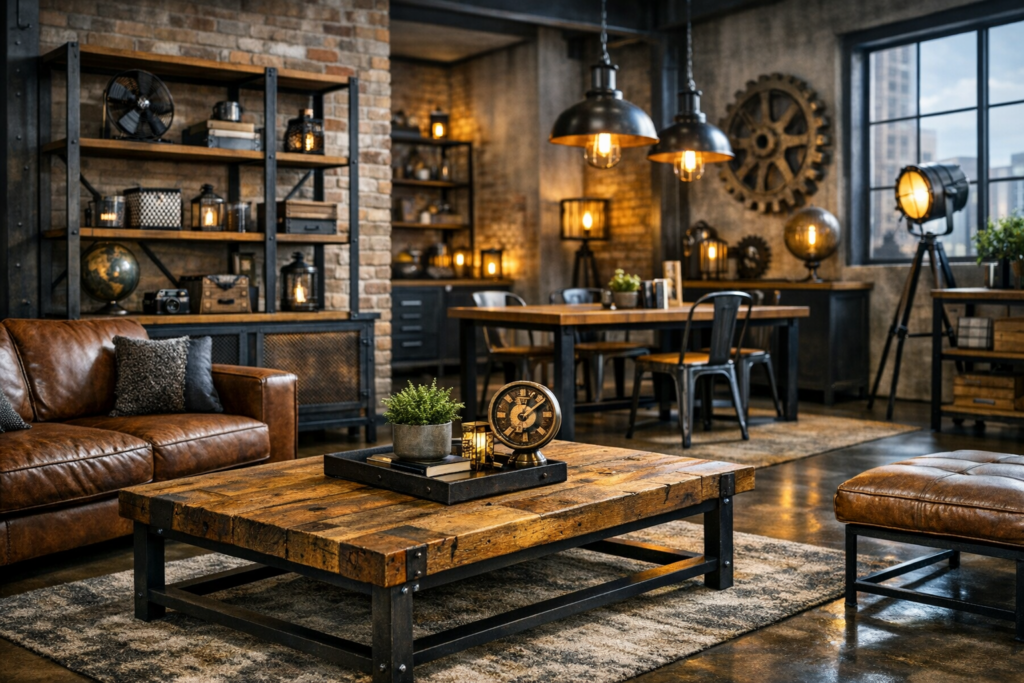
Industrial Style Furniture and Decor Guide
December 31, 2025Industrial style has a way of making a home feel grounded, character-rich, and effortlessly modern. It borrows cues from converted lofts and old factories: raw materials, sturdy construction, and a “what you see is what you get” honesty. But great industrial design isn’t about turning your living room into a warehouse. It’s about balancing hard edges with comfort, mixing textures, and choosing pieces that work for your space and lifestyle.
This guide breaks down the defining elements of industrial furniture and decor, how to choose quality pieces, and how to pull the look together in real homes (including rentals). Along the way, you’ll find practical comparisons and styling tips that make shopping smarter. If you’re ready to browse pieces that fit the look without sacrificing comfort, LifeDeals is a helpful place to explore curated options online.
What Defines Industrial Style (And What Doesn’t)
Industrial style is often misunderstood as “everything metal and dark.” In reality, it’s a specific mix of materials, shapes, and finishes inspired by industrial buildings—tempered by modern comfort.
Core Materials: Metal, Wood, Leather, Concrete
Industrial interiors are built on tactile, durable materials:
Metal: Steel and iron frames, mesh cabinet doors, rivet details, pipe-inspired legs, and matte black hardware.
Wood: Reclaimed-look planks, distressed finishes, and warm walnut tones that prevent spaces from feeling cold.
Leather (or leather-look): Especially in warm cognac or dark brown for sofas, chairs, and bar stools.
Concrete and stone: Concrete-look tabletops, textured ceramics, and stone accents in lighting bases or decor.
Tip: If you’re mixing materials, aim for one “hero” material (like wood) and let metal act as the supporting structure.
Signature Shapes and Details
Industrial furniture tends to favor function-first silhouettes:
Clean lines and sturdy frames
Exposed joinery (visible bolts, brackets, weld-like details)
Open shelving and storage that looks purposeful
Lighting that references factories: cages, domes, task lamps, and pulley-inspired fixtures
What Industrial Style Is Not
Avoid these common pitfalls:
Overdoing “raw”: Too many cold surfaces (metal, concrete, glass) can feel uninviting.
All-black everything: Contrast is key. Industrial style needs warmth from wood, textiles, and lighting.
Theme decor: Steer clear of excessive “factory signage” or novelty gears unless you truly love the look.
Choosing Industrial Furniture: Practical Comparisons That Matter
Industrial pieces often look similar online, but quality varies a lot. Use the comparisons below to choose furniture that holds up, feels comfortable, and suits your daily routine.
Solid Wood vs. Veneer: What’s Best for You?
Solid wood (or solid tops) tends to be heavier, more durable, and easier to refinish if it gets scratched. It’s a great choice for dining tables and coffee tables that see daily use.
Wood veneer can look beautiful and keep costs down, especially for large surfaces. The key is thickness and quality—cheap veneer can chip at edges. If you’re renting or moving often, veneer pieces may be more practical because they’re lighter and easier to transport.
Shopping tip: Look for descriptions like “solid wood top” or “engineered wood with wood veneer,” and check product photos for edge banding. LifeDeals product pages typically highlight materials, making it easier to compare.
Steel vs. Iron Frames: Durability and Weight
Both are common in industrial design.
Steel: Often lighter than iron, with a clean, modern look. Great for shelving, desks, and dining chair frames.
Iron: Heavier, sometimes with more texture. Great for statement bases and furniture that shouldn’t budge.
If you’re on upper floors or rearrange often, steel-frame pieces can be more renter-friendly.
Upholstery Options: Leather, Faux Leather, and Performance Fabric
Industrial rooms look fantastic with leather, but the “best” upholstery depends on how you live.
Genuine leather: Develops a patina, handles wear well, and fits the style perfectly. It’s also a higher investment.
Faux leather: Budget-friendly and easier to wipe down, but quality varies. Look for thicker, well-stitched upholstery and avoid thin, plasticky finishes that can crack.
Performance fabric: A smart choice for families and pet owners who still want industrial structure. It softens the look and can be more breathable than leather.
Comfort test to prioritize: seat depth and cushion fill. Industrial sofas sometimes skew firm. If you like lounging, choose deeper seats and a softer cushion construction.
Storage Pieces: Open Shelving vs. Closed Cabinets
Industrial spaces often feature open shelves, but the right storage depends on your tolerance for visual clutter.
Open shelving: Airy, easy to style, and ideal for books, ceramics, and baskets. It does require regular editing.
Closed storage: Sideboards, TV stands, and cabinets keep things calm—especially in small apartments.
Best of both worlds: choose pieces with mixed storage (open shelves plus doors). Wire-mesh or glass-front doors keep the industrial vibe while hiding mess.
Room-by-Room Industrial Styling (Without Making It Feel Cold)
Industrial style works in any room when you balance it with warmth: textiles, layered lighting, and a few organic touches.
Living Room: Start With One Anchor Piece
The easiest way to make industrial style feel intentional is to pick one anchor and build around it.
Anchor options: a leather-look sofa, a wood-and-metal coffee table, or a statement media console.
Add warmth: a large area rug (think textured neutrals or vintage-inspired patterns) and linen or knit throw pillows.
Choose lighting carefully: a metal floor lamp with a warm bulb can transform the room at night.
Quick comparison: If your space is small, choose a coffee table with a lower shelf for storage. If your space is open-concept, pick a larger table with a thick wood top to visually “ground” the seating area.
Dining Room: The Table Finish Sets the Tone
Industrial dining rooms often revolve around a substantial table and simplified seating.
For a softer look: choose a warm wood top with matte black legs, then add upholstered chairs.
For a bolder look: choose a darker top (walnut or espresso) with metal accents and mix in metal-framed chairs.
Practical tip: If you entertain, prioritize a scratch-resistant finish and consider placemats or a runner for daily use. For apartments, look for slimmer profiles and extendable options.
Bedroom: Industrial Doesn’t Mean Harsh
Bedrooms should feel restful, so use industrial elements in a calmer, more textured way.
Bed frames: black metal frames or wood frames with clean lines work well.
Nightstands: mixed-material nightstands (wood top + metal frame) add character without overwhelming the room.
Softening layers: upholstered headboards, plush bedding, and curtains in natural fabrics.
If you want an industrial look but love cozy vibes, aim for a “modern industrial” blend: keep the furniture structured and let textiles do the relaxing.
Home Office: Go Functional First
Industrial style shines in workspaces because it naturally leans functional.
Desk: choose a stable wood-and-metal desk with enough depth for your monitor setup.
Shelving: wall-mounted or ladder-style shelves keep the floor open.
Lighting: a task lamp with an adjustable arm is both stylish and useful.
Comfort check: Don’t pair a hard industrial chair with long workdays unless it’s ergonomically designed. Consider an upholstered seat in a neutral tone to maintain the look while staying comfortable.
Industrial Decor Essentials: Small Updates That Make a Big Difference
You don’t need a full furniture overhaul to get an industrial feel. The right decor can shift the entire mood of a room—and it’s perfect for renters.
Lighting: The Fastest Style Upgrade
Industrial lighting is iconic for a reason. It adds structure, contrast, and atmosphere.
Metal pendants: great over dining tables and kitchen islands.
Cage or dome lights: instantly read “industrial” without feeling themed.
Warm bulbs: aim for warm white to keep the room inviting.
If you’re renting and can’t change fixtures, swap in plug-in wall sconces or a statement floor lamp. It delivers a similar vibe with zero permanent changes.
Rugs and Textiles: Your Secret Weapon
Rugs make industrial spaces livable. Choose:
Vintage-inspired patterns: they soften strong lines and hide everyday wear.
Natural textures: jute or wool blends for warmth.
Layering: a smaller patterned rug over a larger neutral can add depth in open-concept rooms.
Textiles also help with acoustics—especially in loft-style spaces with hard floors.
Wall Decor: Go Big, Keep It Simple
Industrial wall decor works best when it feels architectural rather than cluttered.
Oversized art: black frames, abstract prints, or monochrome photography.
Mirrors: metal-framed mirrors (arched or grid-style) add light and “warehouse window” character.
Shelves: simple metal brackets with wood planks for a clean, functional look.
A single large piece often looks more polished than many small ones—especially in small rentals.
Greenery and Natural Elements: Balance the Edge
Plants bring life to industrial rooms and prevent them from feeling too heavy. If you’re new to plants, start with hardy options and place them in textured planters (concrete-look, ceramic, or matte black).
Even one tall plant near a metal shelf can change the whole temperature of the room.
How to Get the Industrial Look on a Budget (Without Buying “Cheap-Looking”)
Industrial style can be very budget-friendly because it embraces simpler forms and durable materials. The key is spending strategically.
Where to Invest vs. Where to Save
Invest in: sofa/sectional, dining table, bed frame (the pieces you touch daily and rely on structurally).
Save on: side tables, decor, lighting accents, wall shelves, and storage baskets.
One well-made table with a thick top and stable base can elevate the entire room, even if everything else is simple.
Finish Matters More Than You Think
When shopping online, finish is often the giveaway between “industrial-inspired” and “industrial done right.” Look for:
Matte or satin metal finishes instead of shiny chrome
Visible wood grain rather than flat, printed textures
Consistent hardware (matching black or aged brass across the room)
If you want to browse pieces that already coordinate, LifeDeals makes it easy to shop by style and compare materials so you’re not mixing mismatched blacks or clashing wood tones.
Build a Cohesive Palette
A simple palette makes your space look intentional and helps you avoid impulse buys.
Easy industrial palette: black metal + warm wood + cream textiles + one accent (aged brass, deep green, or rust).
Repeat your metals and woods across the room: for example, a black-framed mirror, black lamp, and black table legs can “tie” different items together.
FAQ: Industrial Style Furniture and Decor
1) Can industrial style work in a small apartment?
Yes. Focus on slim-profile furniture, mixed storage (open plus closed), and lighter wood tones to keep the room from feeling heavy. Add a large mirror and warm lighting to expand the feel of the space.
2) What colors go best with industrial furniture?
Industrial pairs well with neutrals like black, charcoal, cream, and taupe, plus warm wood tones. For accents, try deep green, rust, navy, or aged brass. Keep accent colors limited so the room stays cohesive.
3) How do I mix industrial with modern or farmhouse styles?
For modern industrial, keep lines clean and choose minimal decor, focusing on black metal and mid-tone woods. For industrial farmhouse, add warmer woods, softer textiles, and vintage-inspired rugs while keeping metal accents and sturdy silhouettes.
4) What should I look for to ensure industrial furniture is good quality?
Check material details (steel/iron frames, thick tabletops), stability (reinforced joints), and finish (matte metals, realistic wood grain). For upholstered pieces, look for strong seams and supportive cushions. Shopping from a trusted retailer with clear specs—like LifeDeals—helps you compare confidently.
Conclusion: Make Industrial Style Feel Like Home
Industrial style is at its best when it blends rugged structure with everyday comfort. Choose mixed materials, prioritize functional layouts, and soften the look with textiles and warm lighting. Whether you’re starting with a single anchor piece or updating a room with lighting and decor, small, deliberate choices add up to a space that feels both stylish and livable.
If you’re ready to bring the look into your home, explore industrial furniture and decor online at LifeDeals to compare materials, find cohesive sets, and discover pieces that suit your space—without the guesswork.