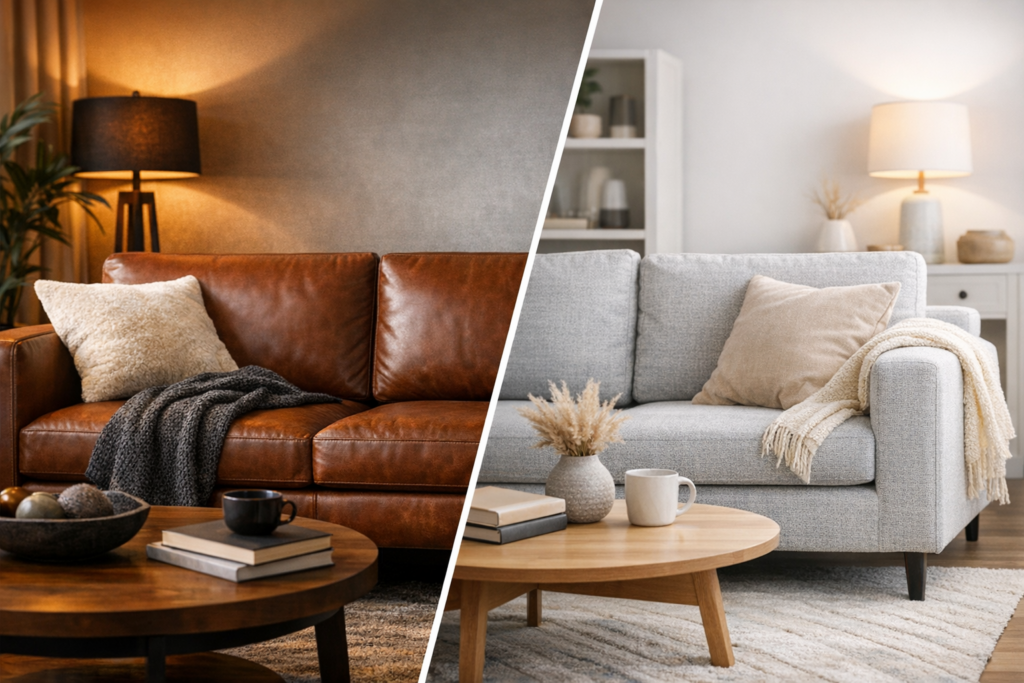
Leather vs Fabric Sofas: Which Should You Choose?
December 16, 2025Choosing a sofa is one of those home decisions you’ll live with every day—literally. It’s where you unwind after work, host friends, and sometimes even grab a quick nap. The big question many homeowners and renters face is whether a leather sofa or a fabric sofa makes more sense for their lifestyle, space, and budget.
This guide breaks down the real-world differences—comfort, durability, cleaning, style, and long-term value—so you can confidently pick the right fit. If you’re browsing options online, LifeDeals makes it easy to compare materials, colors, and features without guesswork.
Leather vs Fabric Sofas: The Quick Snapshot
If you want a fast overview before diving into details, here’s the practical gist:
- Leather sofas typically look more polished, are easier to wipe clean, and can last a long time when cared for—but they can feel cooler in winter, warmer in summer, and often cost more upfront.
- Fabric sofas offer more color and texture choices, tend to feel softer and cozier, and often cost less—but they can stain more easily and may show wear sooner depending on the fabric type.
The best choice depends less on “which is better” and more on how you actually live in your space.
Comfort and Everyday Feel
Comfort isn’t just about cushion softness. It’s also about temperature, texture, noise, and how the sofa feels over long lounging sessions.
How leather feels day to day
Leather has a smooth, supportive feel and tends to “give” slightly over time, molding to how you sit. Many people like the structured comfort and the way leather ages—especially in a living room or den where you want a refined look.
- Temperature: Leather can feel cool to the touch at first. In warmer climates or sunny rooms, it may feel warm or slightly sticky on bare skin.
- Texture: Sleek and firm. Great if you prefer a sofa that feels supportive rather than plush.
- Sound: Some leather surfaces can squeak slightly with movement, particularly on new or tighter upholstery.
How fabric feels day to day
Fabric generally feels softer and warmer. It’s often the go-to for a “sink-in” vibe, especially if you like curling up with a blanket or spending long evenings on the couch.
- Temperature: Fabric is typically more temperature-neutral and cozy year-round.
- Texture: Huge variety—from smooth microfiber to nubby tweed, linen blends, velvet, and performance weaves.
- Grip: Fabric has more friction, which can help keep you from sliding around—useful on deep, lounge-style sofas.
Tip: If you work from the couch or spend hours reading and streaming shows, fabric often wins on “all-day comfort.” If you want a sofa that feels structured and looks crisp, leather shines.
Durability, Longevity, and How They Age
The lifespan of a sofa is a combination of the frame, cushions, and upholstery. Still, upholstery choice makes a big difference in how your sofa looks after years of daily life.
Leather durability: strong, but not invincible
High-quality leather can last a long time and often looks better with age, developing character. That said, not all “leather” is the same, and the grade matters.
- Full-grain leather: Highest quality, very durable, shows natural markings, develops a patina over time.
- Top-grain leather: Slightly processed, still durable, often more uniform in appearance.
- Genuine leather: Lower tier than it sounds; can vary widely in quality.
- Bonded leather: Leather scraps fused with adhesives; more prone to peeling and cracking over time.
How leather ages: It may show scratches (especially from pets) and can dry out if not conditioned occasionally. In sunny spots, it can fade unless protected.
Fabric durability: depends heavily on weave and performance features
Fabric can be extremely durable, especially if you choose the right type for your household. The key is selecting upholstery designed for real life—spills, kids, pets, and frequent use.
- Performance fabric: Often treated or engineered to resist stains and moisture; great for active homes.
- Microfiber: Tight weave, generally stain-resistant and durable; popular for families.
- Velvet: Soft and stylish; can be durable but may show pressure marks and shading.
- Linen and linen blends: Breezy and modern; can wrinkle and stain more easily unless it’s a performance version.
How fabric ages: It may pill, fade, or wear on high-contact areas like armrests and seat edges. Cushion covers can sometimes be replaced, which is a plus.
Practical takeaway: If you’re choosing between a mid-grade leather and a high-quality performance fabric, the fabric may actually hold up better for busy households. If you’re investing in top-grain or full-grain leather, it can be a long-term win.
Cleaning and Maintenance: Real-Life Scenarios
This is where lifestyle matters most. The “best” sofa is the one you can keep looking good without constant stress.
Leather: quick wipe-downs and simple routine care
Leather is a strong choice if you want easy daily maintenance. Most spills can be wiped up quickly, and pet hair doesn’t cling as easily.
- Everyday care: Wipe with a soft, dry cloth. For light messes, use a slightly damp cloth (not soaking).
- Deep care: Condition every 6–12 months to prevent drying and cracking, especially in dry climates.
- Watch-outs: Sharp objects, pet claws, and harsh cleaners can damage the finish.
Fabric: more forgiving for scratches, but spills require strategy
Fabric doesn’t scratch like leather, but it can absorb spills and odors. The good news: many modern fabrics are designed to resist stains, and removable covers can make cleaning much easier.
- Everyday care: Vacuum regularly using an upholstery attachment to remove dust and crumbs.
- Spot cleaning: Follow the manufacturer’s code (often listed as W, S, WS, or X). Use the right cleaner for the code.
- Washable covers: A major advantage if you have kids or pets—just confirm washing instructions before buying.
If you host often: Leather is a low-stress option for accidental spills. If you love light colors but fear stains, consider a performance fabric in a pale shade—it can offer the airy look without constant worry.
Style, Color, and How Each Material Fits Your Space
Your sofa anchors the room visually. Leather and fabric create different moods, and each material offers distinct design flexibility.
Leather: classic, modern, and elevated
Leather pairs well with wood, metal, and glass, and can work in styles ranging from modern to rustic. It tends to look especially sharp in:
- Mid-century modern living rooms
- Industrial loft-style spaces
- Home offices and dens
- Minimalist interiors that benefit from a “clean” visual finish
Color notes: Leather often comes in neutrals like black, brown, tan, and cream. These shades are timeless, but the range may feel limited compared to fabric.
Fabric: endless variety and easy coordination
Fabric gives you freedom—bold colors, patterns, and textures that can soften a room or add personality. It’s a favorite for:
- Cozy family rooms and apartments
- Scandinavian and contemporary spaces
- Homes that use layered textiles (rugs, pillows, throws)
- Renters who want a statement piece without remodeling
Color notes: Fabric sofas come in nearly any hue, which makes it easier to match your existing decor or build a new palette. If you like seasonal refreshes, fabric also plays well with changing pillow covers and throws.
Design tip: In smaller spaces, a fabric sofa in a lighter neutral can feel visually lighter. In large rooms, a leather sofa can add structure and prevent the space from feeling overly casual.
Budget and Value: What You Pay Now vs What You Get Later
Pricing varies widely depending on frame quality, cushion fill, and upholstery grade. Still, material choice affects upfront cost and long-term value.
Leather costs: often higher upfront, strong long-term potential
Leather sofas frequently come with a higher price tag, especially for top-grain and full-grain. If you plan to keep your sofa for many years, that investment can pay off—leather can remain attractive even as it ages, assuming it’s quality leather and you care for it.
Fabric costs: flexible entry points and easier refresh options
Fabric sofas often offer more options at lower to mid price points. You can also refresh a fabric sofa’s look more easily—new slipcovers, professional cleaning, or even reupholstery can extend life without replacing the whole piece.
Value checklist: No matter the material, look for a sturdy frame (hardwood or quality engineered wood), supportive suspension, and cushions that match your comfort preference. Upholstery can’t compensate for a weak foundation.
When you’re ready to compare price points, features, and finishes, browsing LifeDeals online can help you see what’s available across styles without bouncing between multiple stores.
Which One Should You Choose? A Practical Decision Guide
If you’re stuck, use your daily habits as the deciding factor.
Choose leather if:
- You want easy wipe-clean maintenance for spills
- You prefer a structured, polished look
- You don’t mind occasional conditioning
- You want a material that can age beautifully over time (especially top-grain or full-grain)
Choose fabric if:
- You want maximum comfort and a cozy feel
- You love color, texture, or pattern options
- You want pet-friendlier scratch tolerance (especially with tight weaves)
- You want options like washable covers or performance fabrics
What about kids and pets?
There’s no universal winner—just smarter picks.
- For shedding pets: Leather makes hair cleanup easier. Fabric can hold onto fur more, depending on weave.
- For clawing pets: Fabric (especially tightly woven performance fabric) can be more forgiving than leather, which shows scratches.
- For small kids: Leather wipes clean quickly; performance fabric can resist stains and feel warmer/softer.
Tip: If you love the look of leather but worry about wear, consider choosing a slightly textured or distressed leather finish—it can help camouflage everyday marks. If you love fabric but fear stains, prioritize performance fabrics and darker or heathered tones.
FAQ
1) Is a leather sofa always better for allergies?
Often, yes. Leather doesn’t trap dust, dander, and hair as easily as many fabrics, and it’s simple to wipe down. That said, a regularly vacuumed fabric sofa—especially with a tight weave—can also work well for allergy-sensitive households.
2) Do fabric sofas stain too easily?
It depends on the fabric. Traditional cotton or linen can stain more easily, but many modern options are designed for stain resistance. Look for performance fabrics, darker shades, or textured weaves that help disguise small marks between cleanings.
3) What lasts longer: leather or fabric?
High-quality leather (top-grain or full-grain) can last a very long time and age attractively. High-quality performance fabric can also last for years, especially in busy households. The deciding factors are upholstery grade, cushion quality, and frame construction—not just “leather vs fabric.”
4) Which is better for a small apartment?
Fabric is often favored in small spaces because it can feel softer and visually lighter, and it offers more color flexibility. Leather can also work beautifully in an apartment if you want a clean, streamlined look—just consider placement away from direct sunlight and choose a size that doesn’t overwhelm the room.
Conclusion: Pick the Sofa That Fits Your Real Life
Leather and fabric sofas can both be excellent choices—the best option is the one that matches your habits, comfort preferences, and willingness to maintain it. Leather is sleek, wipeable, and long-lasting when it’s good quality. Fabric is cozy, customizable, and often easier to tailor to your style, especially with performance options and removable covers.
If you’re ready to narrow it down, explore the sofa selection at LifeDeals and compare materials, colors, and features from the comfort of home. With the right choice, your next sofa won’t just look great on day one—it’ll still feel like the best seat in the house years from now.