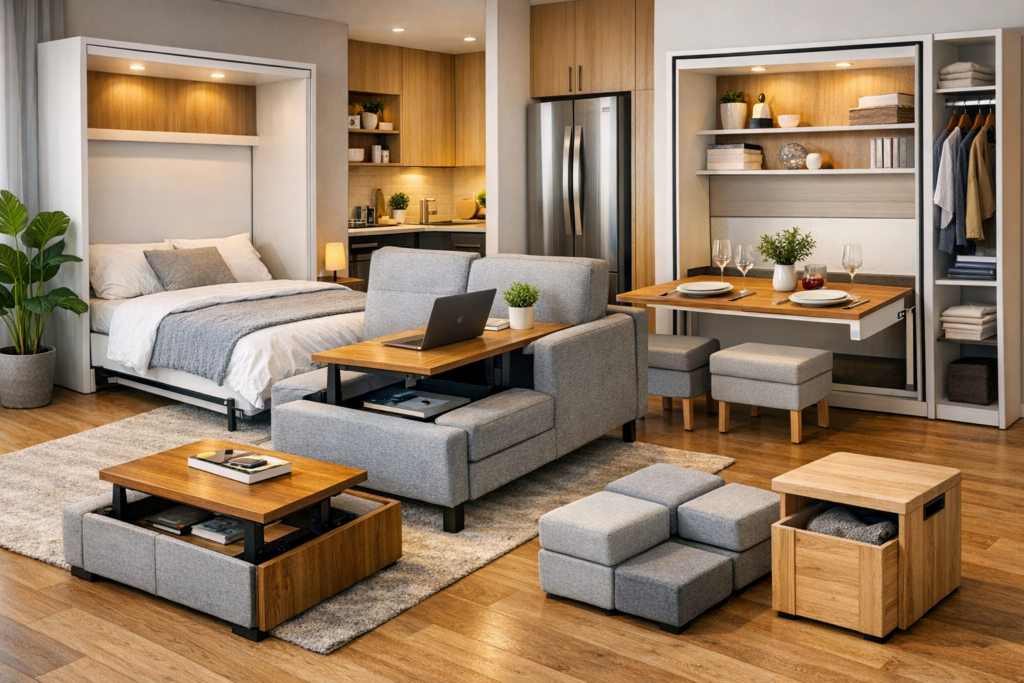
Multifunctional Furniture Ideas for Small Spaces
January 8, 2026Living in a smaller home or apartment doesn’t mean you have to compromise on comfort or style. The real secret is choosing furniture that works harder: pieces that store, fold, expand, and adapt to your day-to-day routine. With the right multifunctional choices, you can keep your space uncluttered, make room for guests, and still create a home that feels personal and “done.”
Below are practical, real-world multifunctional furniture ideas for small spaces, along with comparisons and buying tips to help you choose pieces that fit both your layout and your lifestyle. If you’re browsing for smart, space-saving upgrades, LifeDeals is a great place to explore versatile options online and compare features in one spot.
Start With Your Space: A Quick Planning Checklist
Before buying anything, measure twice and plan for how you actually live. Multifunctional furniture only feels “magical” when it fits your routines and clears friction from daily life.
Measure the “usable zone,” not just the room
In small spaces, furniture competes with doors, walkways, radiators, and closets. Measure:
- Door swings and cabinet clearances
- Walking paths (aim for about 30–36 inches where possible)
- Window access (especially if you need ventilation)
- Wall outlets (for desks, lamps, and charging)
Identify your top two “must-have” functions
Most people need two priorities in a small home: sleeping and working, or dining and hosting. Choose furniture that supports your top two first. For example:
- If you work from home: prioritize an ergonomic desk solution and hidden storage for cables and supplies.
- If you host: prioritize flexible seating and a table that expands.
- If you have limited closets: prioritize storage beds, ottomans, and vertical shelving.
Decide what you want to move, fold, or leave in place
Some multifunctional pieces require regular setup (like fold-out desks). Others stay “ready” all the time (like storage ottomans). Be honest about your habits: if you don’t love daily setup, invest in pieces that stay functional with minimal effort.
Sofa Beds, Daybeds, and Sleep-Ready Seating
In studios and compact apartments, your seating often becomes your sleeping solution. The key is comfort, speed of conversion, and how the piece looks in daytime mode.
Sofa bed vs. futon vs. daybed: which fits your life?
Sofa beds are best if you want a “real sofa” look and a more supportive sleep surface (depending on the mattress type). Look for sturdy frames and a mechanism that feels smooth, not jerky.
Futons are often the most budget-friendly and simplest mechanically. They can be a smart choice for rentals because they’re easy to move. The tradeoff is that futons can be firm and may not provide long-term sleep comfort for nightly use unless the mattress is upgraded.
Daybeds shine when you want a relaxed lounge look and the ability to use it like a couch with pillows. Many daybeds also pair well with a trundle, which is ideal for guests.
What to look for in a quality convertible sleeper
- Mattress type: Memory foam often feels better than thin innerspring in compact designs. If it’s for everyday sleeping, prioritize thickness and support.
- Conversion speed: If it takes more than a minute or two, you may stop using it as intended.
- Frame and joints: Listen for squeaks in reviews and look for reinforced hinges.
- Leg placement: Center legs can help stability but may be a toe-stubbing hazard in tight layouts.
Space-saving tip: choose arms wisely
In narrow rooms, slim or armless sofas can save several inches that matter. If you like armrests, consider narrow track arms instead of oversized rolled arms. That small change can give you a noticeably larger walkway.
If you’re comparing sleeper styles online, LifeDeals makes it easy to browse by size, upholstery type, and features like storage chaises or quick-fold mechanisms.
Storage Beds and Bedroom Pieces That Do More
When square footage is limited, the bedroom is the best place to “hide” storage. Multifunctional bedroom furniture frees up closets and reduces the need for extra dressers.
Ottoman-lift storage beds vs. drawer storage beds
Ottoman-lift beds open upward to reveal a large storage cavity. They’re excellent for bulky items like extra bedding, luggage, or seasonal clothes. They require overhead clearance to lift comfortably and are easiest when the mechanism is assisted (gas lift).
Drawer storage beds provide more organized access and work well for folded clothes. The limitation is clearance: drawers need room to open. If the bed sits close to a wall or another piece, drawers can become annoying.
Headboards with shelves: functional without feeling “dorm”
A shelving headboard can replace nightstands entirely. To keep it looking elevated rather than cluttered:
- Use one shelf zone for essentials (book, glasses, charger)
- Hide cables with adhesive clips or a cable channel
- Keep decor minimal: one framed photo or a small plant is enough
Nesting nightstands and wall-mounted bedside ledges
If you need bedside space but your bed is tight to a wall, consider a shallow ledge shelf or a compact wall-mounted unit. For renters, look for options that mount with minimal wall damage or use freestanding narrow towers.
Tables That Expand, Fold, or Disappear
Tables often take up prime real estate, especially in open-plan apartments where the dining area shares space with the living room. A flexible table can give you both everyday breathing room and entertaining capability.
Drop-leaf dining tables: the everyday hero
A drop-leaf table stays compact when you’re solo but expands for guests. Practical comparisons:
- Best for: small kitchens, studio dining corners, multipurpose living rooms
- Pros: easy to adjust, often lightweight, works with folding chairs
- Watch out for: wobble at the leaf joints; look for sturdy supports and reliable hinges
Extendable tables: better for frequent hosting
If you often have friends over, an extendable table with a built-in leaf (butterfly leaf or slide-out) feels more solid than many drop-leaf designs. It’s also faster to set up once you know the mechanism. The tradeoff is that extendable tables can be heavier and require more “parking space” even when closed.
Wall-mounted fold-down desks and tables
These are ideal when your home office is also your dining space. Look for:
- Weight rating (especially if you’ll lean on it while typing)
- Depth of at least 18–22 inches for laptop comfort
- Integrated storage for notebooks, chargers, and mail
Coffee tables with lift tops: desk + storage in one
A lift-top coffee table can create a comfortable “work from sofa” setup and hides clutter. It’s a great option if you don’t have room for a dedicated desk, but you still want a stable surface. Compare designs by:
- Lift mechanism smoothness and stability
- Interior storage depth
- Clearance for knees when lifted
For shoppers who like to compare styles quickly, LifeDeals offers a convenient way to browse multi-use tables by size, finish, and features like hidden storage and lift tops.
Seating That Stores, Stacks, and Moves Easily
In small spaces, seating is often the difference between “cozy” and “crowded.” The best approach is a mix of one primary seating piece and several flexible options you can tuck away.
Storage ottomans: the most versatile piece per square inch
A storage ottoman can serve as:
- Footrest
- Extra seat
- Side table (with a tray)
- Hidden storage for blankets, games, or pet toys
Choose a firm, flat top if you plan to use it as a table. If you’ll use it as a seat often, look for supportive padding and a sturdy frame.
Nesting stools and stackable chairs
If you host occasionally, nesting stools tuck under each other, and stackable chairs can live in a closet or corner. Consider materials:
- Wood: warm, stable, and often quieter on floors
- Metal: slim profiles, durable, sometimes colder in feel
- Upholstered: comfortable but takes more visual and physical space
Benches with storage (entryway and dining)
A storage bench near the door can catch shoes, bags, and winter gear. At the dining table, a bench can slide fully under, freeing up walking space compared to chairs that need clearance behind them. If you have kids or pets, look for easy-clean fabrics or sealed wood finishes.
Shelving, Room Dividers, and Vertical Space Solutions
When floor space is limited, vertical storage is your best friend. Multifunctional shelving can also create “zones” in a studio without building walls.
Open shelving vs. closed storage: choose based on your tolerance for visual clutter
Open shelving makes a room feel airy and is great for curated items. But it demands tidiness.
Closed storage (cabinets, sideboards) hides the mess and looks calmer, especially in small rooms.
A smart compromise is a mixed unit: open shelves up top for decor, closed cabinets below for everything else.
Bookcases as room dividers
A bookcase can define a sleeping area from a living area in a studio. Tips:
- Choose a unit with a stable base to prevent tipping
- If it’s open-backed, use baskets to hide smaller items
- Keep heavier items on lower shelves
Console tables that double as desks
A slim console table behind a sofa can become a laptop station. Pair it with a tuck-under stool and a small task lamp. This setup works well for renters who don’t have a separate office but want a designated work surface.
If you’re building a flexible storage plan, LifeDeals is worth a look for modular shelves and compact cabinets that help you get organized without overwhelming your room.
Buying Tips: How to Choose Multifunctional Furniture That Lasts
Small-space furniture gets used hard. It’s folded, lifted, dragged, and reconfigured. Prioritize durability so you don’t end up replacing a “clever” piece after one season.
Focus on mechanisms and materials
- Hinges and slides: soft-close hardware and metal reinforcements tend to last longer.
- Frames: solid wood and quality metal frames outperform weak particleboard in high-stress designs.
- Fabric: tightly woven upholstery or performance fabrics handle everyday wear better.
Check the “real-life” dimensions
Product listings often show overall dimensions, but you should also look for:
- Seat depth and seat height (for comfort)
- Table apron clearance (for knees)
- Drawer interior dimensions (not just exterior)
- Maximum load ratings for fold-down surfaces
Match multifunction to your routine
If you’ll convert something daily, choose the easiest mechanism. If you’ll use it occasionally, you can prioritize aesthetics or storage volume. Your home should feel easier to live in, not like it requires extra steps.
FAQ: Multifunctional Furniture for Small Spaces
What is the best multifunctional furniture for a studio apartment?
The most impactful pieces are a quality sleeper sofa or daybed, a lift-top coffee table (or compact desk), and a storage bed or storage ottoman. These address the biggest needs: sleeping, working/eating, and storage.
Are sofa beds comfortable enough for everyday sleep?
Some are, but it depends on the mattress type and frame. For nightly use, look for thicker foam, supportive construction, and reviews that mention long-term comfort. If possible, prioritize designs made specifically for frequent sleeping rather than occasional guests.
How do I make a small living room feel bigger with furniture?
Choose pieces with exposed legs (more visible floor makes the room feel larger), use nesting or foldable options for extra seating, and avoid oversized arms or bulky silhouettes. Keeping pathways clear often has a bigger effect than buying smaller items across the board.
What should renters prioritize when buying space-saving furniture?
Renters should focus on portability and flexibility: fold-down desks, lightweight dining solutions, nesting seating, and storage ottomans. Also consider pieces that don’t require permanent mounting or that can be reconfigured in a new layout.
Conclusion: Small Space, Smart Choices
Multifunctional furniture is less about cramming in more and more about making your home feel calm, efficient, and comfortable. When you choose pieces that expand for guests, store what you actually use, and adapt to your daily rhythm, small spaces become surprisingly livable.
If you’re ready to upgrade thoughtfully, explore multifunctional options online through LifeDeals to compare sizes, features, and finishes. A few smart pieces can completely change how your home feels—without needing more square footage.