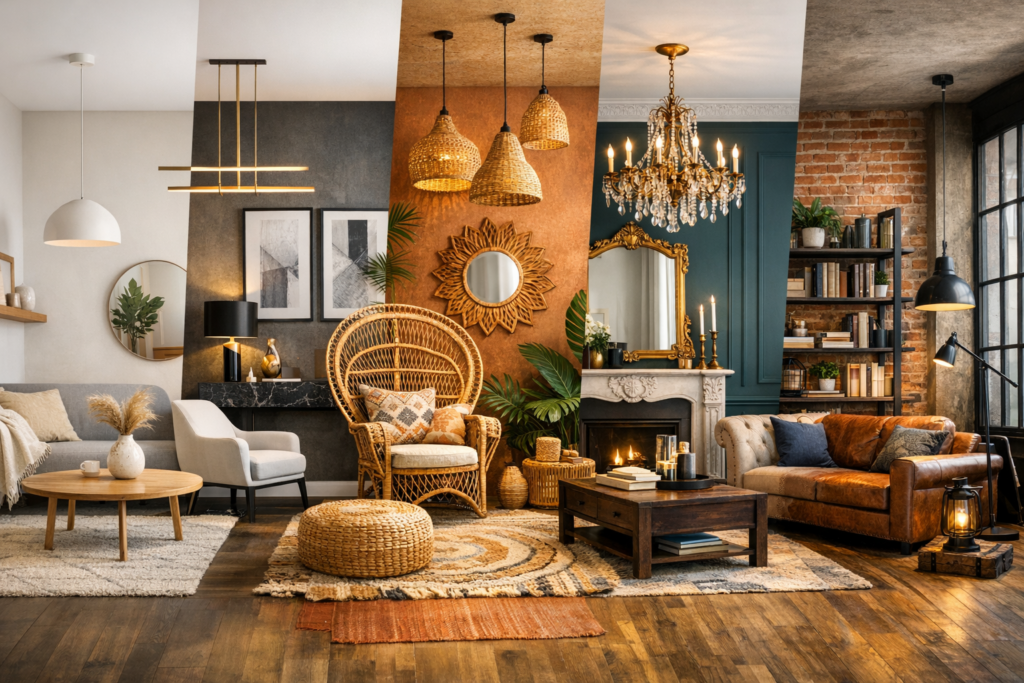
Top Interior Design Styles Explained
January 9, 2026Interior design styles can feel like a maze: you know what you like when you see it, but naming it (and recreating it at home) is another story. The good news is that most homes don’t need a full renovation to look intentional. With the right mix of furniture silhouettes, materials, color choices, and lighting, you can create a cohesive look room by room—whether you own your home or you’re styling a rental.
Below is a clear guide to today’s most popular interior design styles, how to spot them, and how to bring each one to life with practical, shoppable upgrades. If you’re ready to refresh your space, LifeDeals makes it easy to browse décor and everyday home essentials online and build a look you’ll love.
How to Identify a Design Style (and Choose the Right One)
Before diving into specific looks, it helps to understand what actually defines a “style.” Most interior design styles are a repeatable set of decisions around color, shape, texture, and how a room is furnished.
Start with these four signals
1) Color palette: Are you drawn to warm neutrals, crisp black-and-white, earthy tones, or moody jewel shades?
2) Materials: Do you prefer natural wood, metal, glass, boucle, linen, leather, or mixed textures?
3) Silhouettes: Clean lines and minimal ornament (modern), or curves and layered detailing (traditional, vintage)?
4) “Negative space” tolerance: Some people feel best with open space and fewer objects; others like layered décor and collected pieces.
A practical approach for homeowners and renters
If you rent, focus on “removable” style drivers: textiles, lighting, art, mirrors, and décor. If you own, you can also lean into bigger anchors such as paint, flooring, built-ins, or statement tile.
Either way, start with one room (usually the living room or bedroom), pick one primary style, then add 10–20% of a secondary style for personality. Mixing everything equally often looks accidental; mixing intentionally looks curated.
Modern and Contemporary: Clean, Calm, and Intentional
These two are often confused, but they’re not the same. Modern is a defined era-inspired style (think mid-20th century roots), while contemporary is “of the moment” and evolves with trends.
Modern style: key characteristics
Modern interiors emphasize function, clean geometry, and a “less but better” approach.
Look for: low-profile sofas, slim legs, warm woods (like walnut), simple window treatments, and minimal clutter.
Best for: smaller homes and apartments because it reduces visual noise.
Contemporary style: key characteristics
Contemporary design borrows from many styles but keeps a streamlined feel. You’ll often see softer curves, bold art, and a mix of finishes.
Look for: statement lighting, sculptural chairs, mixed metals, monochrome palettes with one strong accent color.
How to bring it home (without making it feel cold)
Modern and contemporary spaces can look sterile if everything is hard-edged. Warm them up with texture and layered lighting.
- Choose one anchor material: a wood coffee table or a leather accent chair to add warmth.
- Use 2–3 textures: think linen curtains, a wool rug, and a knitted throw.
- Layer lighting: overhead fixture + table lamp + floor lamp for a softer evening feel.
For easy upgrades, explore LifeDeals for sleek lighting, minimal wall art, and neutral textiles that instantly make a modern space feel lived-in.
Scandinavian and Japandi: Bright, Natural, and Restful
If you love calm rooms with light colors and practical furniture, Scandinavian design and Japandi are strong contenders. They share a love of simplicity and craftsmanship, but Japandi leans slightly more minimal and earthy.
Scandinavian style: key characteristics
Look for: white walls, light oak tones, simple furniture, functional storage, and cozy textiles (often called “hygge”).
Color palette: whites, soft grays, pale woods, and gentle muted accents.
Japandi style: key characteristics
Japandi blends Japanese minimalism with Scandinavian warmth.
Look for: lower furniture profiles, fewer décor items, natural textures, and a focus on negative space.
Color palette: warm whites, taupe, clay, charcoal, and black accents.
Practical tips to get the look
- Prioritize functional storage: closed storage reduces clutter and instantly looks “Scandi.”
- Go natural with textiles: linen, cotton, and wool look relaxed but polished.
- Add one handcrafted element: a ceramic vase, a textured bowl, or a simple wood tray.
If you’re styling a rental, this is one of the easiest styles to achieve: swap in light curtains, add a soft rug, and use warm bulbs. Browse LifeDeals for neutral home basics that fit the Scandinavian and Japandi look without feeling fussy.
Mid-Century Modern: Retro Shape, Everyday Comfort
Mid-century modern is a favorite because it’s distinctive but still practical. It works well in both vintage homes and new builds, and it pairs nicely with modern and Scandinavian elements.
Key characteristics
Look for: tapered legs, organic curves, low-profile furniture, geometric patterns, and warm wood tones.
Color palette: walnut + cream + black, often with accents like mustard, olive, teal, or rust.
How to avoid a “theme” look
Mid-century can lean costume-like if every piece is a period reproduction. Keep it current by balancing statement pieces with simpler modern basics.
- Pick one hero item: a standout sideboard, accent chair, or pendant light.
- Keep the backdrop neutral: walls, rug, and major upholstery in solids or subtle textures.
- Use pattern sparingly: one geometric pillow set or a single art print is usually enough.
Shopping tip: search for “tapered legs,” “walnut finish,” and “globe lighting” to quickly find mid-century-friendly pieces online.
Industrial: Raw Materials, Strong Contrast, and Urban Edge
Industrial style celebrates utilitarian materials and architectural features. It’s popular in lofts and city apartments, but it can work anywhere if you keep it balanced.
Key characteristics
Look for: black metal, exposed bulbs, concrete or wood surfaces, leather, and open shelving.
Color palette: charcoal, black, gray, brown leather, and warm wood.
How to make industrial feel inviting
The biggest risk is ending up with a space that feels hard and echo-y. Counteract that with softness and warm light.
- Add a large rug: it reduces noise and softens the look.
- Use warm lighting: choose bulbs around 2700K for a cozy glow.
- Mix in natural elements: wood, plants, and textured textiles prevent the room from feeling stark.
For a quick industrial refresh, look for matte-black hardware, metal-framed mirrors, and simple shelving. LifeDeals is a great place to browse these finishing touches when you want the vibe without a full remodel.
Farmhouse and Modern Farmhouse: Cozy, Classic, and Family-Friendly
Farmhouse style is rooted in comfort and practicality. Modern farmhouse keeps the warmth but simplifies the shapes and tones for a cleaner feel.
Farmhouse: key characteristics
Look for: distressed or reclaimed wood, cozy slipcovered seating, vintage-inspired accessories, and classic patterns like checks or stripes.
Color palette: creamy whites, soft grays, weathered woods, and gentle muted colors.
Modern farmhouse: key characteristics
Look for: cleaner lines, less distressing, black accents, and a more edited décor approach.
Color palette: white + black + warm wood, sometimes with a dusty blue or sage accent.
Easy ways to get the look (even in a rental)
- Swap in cozy textiles: throw blankets, soft pillows, and washable rugs.
- Add simple, classic lighting: clear glass, matte black, or warm metal finishes work well.
- Use baskets and trays: they add texture and keep everyday items tidy.
Farmhouse is especially forgiving for busy households because it’s meant to look relaxed. Focus on comfort-first pieces, then add a few rustic accents for charm.
Bohemian (Boho): Layered, Collected, and Creative
Boho style is all about personality. It mixes patterns, global influences, and vintage finds to create a space that feels traveled and lived-in.
Key characteristics
Look for: layered rugs, mixed patterns, rattan, macramé, plants, and eclectic art walls.
Color palette: warm neutrals with terracotta, mustard, deep green, or jewel tones.
How to keep boho from looking cluttered
Boho can become visually overwhelming if there’s no structure. The trick is to repeat a few colors and balance busy areas with quiet ones.
- Limit your color story: pick 3–5 colors and repeat them across textiles and art.
- Use “rest zones”: keep one wall or one major furniture piece solid and simple.
- Mix textures thoughtfully: pair woven elements with smooth ceramics and soft textiles.
If you want to test boho without committing, start with pillows, a textured throw, a woven basket, and one statement plant. Those small swaps can shift the whole mood.
Traditional and Transitional: Timeless Structure, Updated Comfort
Traditional style leans classic and refined, while transitional bridges traditional and contemporary—ideal if you want timeless design without formality.
Traditional: key characteristics
Look for: symmetrical layouts, classic silhouettes, detailed woodwork, and rich textiles.
Color palette: warm neutrals, deep blues, greens, burgundies, and layered patterns.
Transitional: key characteristics
Look for: classic shapes with simpler lines, fewer patterns, and a more neutral palette.
Why it works: it’s flexible—easy to update with new lighting or accessories.
How to update a traditional space without losing charm
- Change lighting first: a modern chandelier or table lamp can refresh the entire room.
- Streamline patterns: keep one patterned element (like drapes or a rug) and simplify the rest.
- Mix finishes: a blend of warm metals and natural wood feels current and layered.
Transitional style is a smart choice if you’re buying “forever” pieces. Choose classic upholstery, then rotate seasonal pillows and décor for variety.
Quick Comparison: Which Style Fits Your Lifestyle?
If you’re deciding between a few looks, match the style to how you actually live at home.
- Want calm and easy upkeep? Scandinavian, Japandi, modern.
- Love vintage character and bold shapes? Mid-century modern.
- Prefer edgy, urban materials? Industrial.
- Need cozy and family-friendly? Farmhouse or modern farmhouse.
- Like eclectic collecting and color? Boho.
- Want timeless design that won’t date quickly? Transitional.
Once you choose a direction, shop for the “big three” first: rug, lighting, and textiles. Those are high-impact changes that don’t require construction—and they’re easy to find online at LifeDeals when you’re ready to pull the room together.
FAQ
What’s the difference between modern and contemporary design?
Modern refers to a specific design movement with clean lines and functional forms (often mid-20th century inspired). Contemporary means current and trend-responsive; it borrows from multiple styles and changes over time.
Can I mix two interior design styles in one room?
Yes—mixing can look great when it’s intentional. Choose one primary style (about 80–90% of the room) and a secondary style (10–20%) through accents like lighting, art, or small furniture. Keep the color palette consistent to avoid visual chaos.
How can renters update a space without painting or drilling?
Focus on removable upgrades: floor and table lamps, rugs, curtains on tension rods, peel-and-stick décor where allowed, mirrors leaning against the wall, and cohesive bedding/throws. These changes deliver strong style without permanent alterations.
What are the most cost-effective items to change first?
Lighting (bulb warmth and lamps), textiles (pillows, throws, curtains), and a rug usually give the biggest “before and after” impact. Next, add a mirror for brightness and one piece of wall art to set the tone.
Conclusion
Interior design styles aren’t about following rules—they’re a shortcut to making choices that work together. Once you learn the signatures of each style, it becomes easier to shop with confidence, avoid impulse buys that don’t fit, and create a home that feels like you.
When you’re ready to refine your space, browse LifeDeals online for practical, style-forward home products—from lighting and textiles to décor that ties everything together. Small, well-chosen upgrades can make your home feel brand new, one room at a time.